User Guide for High Quality Triphenylmethyl Chloride Cas 76-83-5
- Información básica y parámetros
- Usos del producto
- Uso del producto
- Casos prácticos
- Información de contacto
Información básica y parámetros
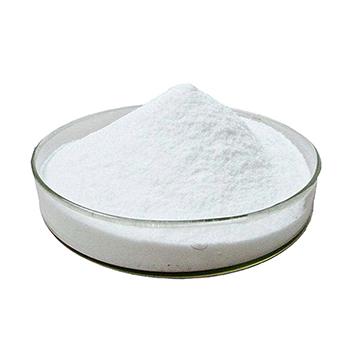
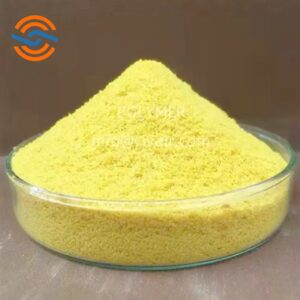
High Quality Triphenylmethyl Chloride, with the CAS number 76 - 83 - 5, is a well - known organic compound. Its molecular formula is C₁₉H₁₅Cl, and the molecular weight is approximately 278.77 g/mol. This compound appears as a white to off - white crystalline powder. It has a melting point in the range of 110 - 113 °C. Triphenylmethyl chloride is sensitive to moisture and should be stored in a dry and well - ventilated place, preferably under nitrogen protection to prevent hydrolysis.
The purity of our high - quality triphenylmethyl chloride is carefully controlled to meet the strict requirements of various applications. It is produced through advanced synthetic processes to ensure high chemical purity and stable quality. The packaging is also designed to maintain the integrity of the product during storage and transportation, usually in sealed containers of different sizes according to customer needs.
Usos del producto
Triphenylmethyl chloride has a wide range of applications in the field of organic synthesis. Firstly, it is an important protecting agent for hydroxyl groups in organic reactions. By reacting with alcohols, it forms triphenylmethyl ethers, which can protect the hydroxyl functionality during subsequent chemical transformations. After the desired reactions are completed, the triphenylmethyl group can be removed selectively under specific conditions to regenerate the original hydroxyl group.
In the pharmaceutical industry, it serves as a key intermediate for the synthesis of various drugs. It can be used to construct complex molecular structures, contributing to the development of new drug candidates. Additionally, in the field of materials science, triphenylmethyl chloride is used in the synthesis of certain polymers and functional materials, where its unique chemical properties can endow the materials with special physical and chemical characteristics.
Uso del producto
When using triphenylmethyl chloride, it is crucial to follow proper safety procedures. Wear appropriate personal protective equipment, such as gloves and safety glasses, to avoid direct contact with the skin and eyes. Since it is moisture - sensitive, all operations should be carried out in a dry environment. For example, use a dry round - bottom flask and conduct reactions under an inert gas atmosphere, like nitrogen or argon.
In a typical reaction for hydroxyl protection, dissolve the alcohol in a suitable organic solvent, such as dichloromethane or tetrahydrofuran. Slowly add triphenylmethyl chloride to the solution at a low temperature, usually around 0 - 5 °C, while stirring continuously. After the addition is complete, gradually warm the reaction mixture to room temperature and allow it to react for a certain period, depending on the nature of the alcohol and reaction conditions. The reaction progress can be monitored by thin - layer chromatography (TLC). Once the reaction is finished, the product can be isolated and purified by standard techniques, such as extraction and column chromatography.
Casos prácticos
Case 1: In a pharmaceutical research project, a research team was synthesizing a new anti - cancer drug candidate. They needed to protect a specific hydroxyl group in one of the key intermediates. Triphenylmethyl chloride was selected as the protecting agent. By dissolving the intermediate in dichloromethane and adding triphenylmethyl chloride under nitrogen protection at 0 °C, they successfully protected the hydroxyl group. After a series of subsequent reactions, the triphenylmethyl group was removed under mild acidic conditions, and the final product was obtained with high yield and purity. This case demonstrated the effectiveness of triphenylmethyl chloride in complex organic synthesis for drug development.
Case 2: A materials science group was synthesizing a novel polymer with enhanced optical properties. Triphenylmethyl chloride was used as a building block in the polymerization reaction. They found that by carefully controlling the reaction conditions, such as the reaction temperature, time, and the ratio of reactants, they could prepare polymers with the desired molecular weight and structure. The resulting polymer showed excellent optical transparency and stability, which was suitable for applications in optical devices.
If you have any questions about High Quality Triphenylmethyl Chloride Cas 76 - 83 - 5, please feel free to contact us. Our email address is info@vivalr.com, and our phone number is (86) 15866781826. We are looking forward to serving you and meeting your specific needs.






















 Spanish
  English (United States)
  English (Australia)
  Portuguese