User Guide: Factory Supply Cupric citrate CAS 10402-15-0 With Good Price
Índice
Información básica y parámetros
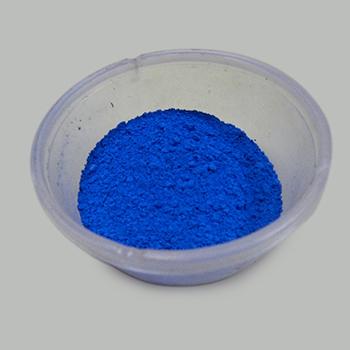
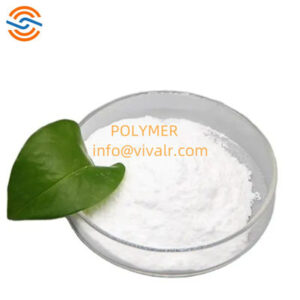
The product we are introducing here is Cupric citrate with the CAS number 10402 - 15 - 0. Cupric citrate, also known as copper citrate, is a chemical compound with the molecular formula C₆H₄Cu₂O₇. It is a greenish - blue powder or crystal. In terms of physical and chemical properties, it has a certain solubility in some specific solvents. It is relatively stable under normal temperature and pressure conditions, but should be stored away from strong oxidizing agents, acids, and alkalis to avoid chemical reactions.
The purity of our factory - supplied cupric citrate is strictly controlled. We ensure a high - quality product that meets the industry standards. The particle size of the powder can be adjusted according to different customer requirements to facilitate different application scenarios.
Usos del producto
Cupric citrate has a wide range of applications in various fields. In the field of agriculture, it can be used as a trace element fertilizer. Copper is an essential micronutrient for plants. It participates in many physiological processes of plants, such as photosynthesis, respiration, and the synthesis of proteins and nucleic acids. By using cupric citrate as a fertilizer, it can improve the copper content in the soil, promote the healthy growth of plants, and enhance the disease resistance of crops.
In the pharmaceutical industry, cupric citrate can be used as an intermediate in the synthesis of some drugs. It can participate in certain chemical reactions to form more complex drug molecules. In addition, due to the antibacterial properties of copper ions, cupric citrate may also have potential applications in the development of antibacterial drugs.
In the field of materials science, cupric citrate can be used as a precursor for the preparation of some copper - based materials. For example, it can be used to synthesize copper oxide nanoparticles through thermal decomposition or wet - chemical methods. These copper - based materials have unique physical and chemical properties and can be used in fields such as catalysis, sensors, and energy storage.
Cómo utilizar el producto
When using cupric citrate as an agricultural fertilizer, it should be evenly mixed with the soil. The dosage needs to be determined according to the soil type, crop variety, and growth stage. Generally, it is recommended to conduct a soil test first to understand the copper content in the soil, and then calculate the appropriate dosage. For most crops, the application rate is about 1 - 5 kg per hectare.
In the pharmaceutical synthesis process, the use of cupric citrate needs to follow strict chemical reaction procedures. It should be added to the reaction system under appropriate temperature, pressure, and pH conditions. The reactants need to be fully stirred to ensure complete reaction. Professional chemists should operate in strict accordance with safety regulations to avoid potential risks.
When using cupric citrate as a precursor for material preparation, different preparation methods have different requirements. For example, in the thermal decomposition method, cupric citrate needs to be heated to a certain temperature in an inert atmosphere, and the heating rate and holding time need to be precisely controlled to obtain the desired copper - based materials.
Casos prácticos
Case 1: Agricultural Application
A farm in a certain area has soil with a low copper content. After using our cupric citrate as a fertilizer, the growth of wheat has been significantly improved. The wheat plants are more robust, with greener leaves and higher tillering rates. The yield has increased by about 15% compared with the previous year. The farm continued to use cupric citrate in the following years, and the quality and yield of crops have been steadily improved.
Caso 2: Síntesis farmacéutica
A pharmaceutical company used cupric citrate as an intermediate to synthesize a new type of antibacterial drug. Through a series of chemical reactions and purification processes, a drug with high antibacterial activity was successfully developed. This drug has shown good therapeutic effects in pre - clinical trials, providing a new option for the treatment of certain bacterial infections.
Case 3: Material Preparation
A research institution used cupric citrate to prepare copper oxide nanoparticles. By precisely controlling the reaction conditions, they obtained copper oxide nanoparticles with uniform particle size and good dispersion. These nanoparticles were applied in a gas sensor, and the sensor showed high sensitivity and selectivity to certain gases, demonstrating the potential of cupric citrate in material preparation.
If you have any questions about our Factory Supply Cupric citrate CAS 10402 -






















 Spanish
  English (United States)
  English (Australia)
  Portuguese