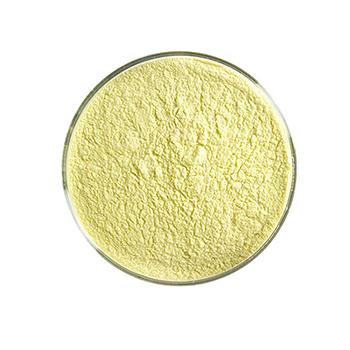

Our Factory Supply Polycarbonate with CAS number 25037 - 45 - 0 is a high - performance engineering thermoplastic. It has excellent mechanical properties, such as high impact resistance, which makes it suitable for various demanding applications. Its molecular weight varies depending on the specific grade, typically ranging from 20,000 to 60,000 g/mol. Polycarbonate has a glass transition temperature (Tg) around 145 - 155°C, offering good dimensional stability at elevated temperatures. It is transparent, with a light transmittance of up to 90% in some cases, similar to glass but much lighter and more impact - resistant. The refractive index of polycarbonate is approximately 1.586, which is useful in optical applications.
Polycarbonate has a wide range of applications. In the automotive industry, it is used for manufacturing headlamp lenses, interior trims, and instrument panels. Its high impact strength ensures the safety of these components, while its transparency and ability to be molded into complex shapes make it an ideal material. In the construction sector, polycarbonate sheets are used for roofing, skylights, and partitions. These sheets are lightweight, easy to install, and provide good insulation and UV protection. In the electronics industry, polycarbonate is used for making mobile phone cases, computer housings, and optical discs. Its electrical insulation properties and resistance to heat and chemicals make it suitable for protecting sensitive electronic components. It is also widely used in the medical field for manufacturing medical devices such as syringes, blood filters, and surgical instruments due to its biocompatibility and sterilizability.
When using polycarbonate, proper handling is crucial. First, it should be stored in a dry and cool environment to prevent moisture absorption, which can affect its processing properties. Before processing, the material needs to be dried at a temperature of around 120 - 130°C for 4 - 6 hours. Polycarbonate can be processed using various methods, including injection molding, extrusion, and thermoforming. In injection molding, the melt temperature should be controlled between 280 - 320°C, and the mold temperature between 80 - 120°C. For extrusion, the processing conditions may vary depending on the specific application, such as the thickness and width of the extruded product. When machining polycarbonate, sharp tools should be used to avoid cracking or chipping. After processing, the finished products should be inspected for any defects, such as voids or surface scratches.
Case 1: Automotive Headlamp Lenses
A leading automotive manufacturer was looking for a material to replace traditional glass headlamp lenses. They chose our polycarbonate due to its high impact resistance and ability to be molded into complex shapes. The polycarbonate headlamp lenses were lighter than glass, which helped to reduce the overall weight of the vehicle and improve fuel efficiency. The lenses also provided better optical clarity, enhancing the visibility of the headlights. Through rigorous testing, the polycarbonate lenses passed all the automotive safety and performance standards.
Case 2: Construction Skylights
A large - scale commercial building project required skylights that could withstand harsh weather conditions and provide good insulation. Polycarbonate sheets were installed as skylights. These sheets were easy to install and provided excellent UV protection, preventing the interior of the building from fading. The lightweight nature of polycarbonate also reduced the load on the building structure. Over time, the skylights maintained their transparency and structural integrity, proving to be a cost - effective and durable solution.
Case 3: Medical Syringes
A medical device company used our polycarbonate to manufacture syringes. The biocompatibility of polycarbonate ensured that it was safe for contact with human blood and tissues. The syringes could be easily sterilized using common methods such as autoclaving. The high clarity of polycarbonate allowed medical staff to accurately read the dosage markings on the syringes, improving the safety and accuracy of medical injections.
If you have any questions or need further information about our Factory Supply Polycarbonate CAS 25037 - 45 - 0, please feel free to contact us. Our email address is info@vivalr.com, and our phone number is (86) 15866781826.

Este es William, CEO de Zhishang Chemical Co., Ltd.
Le invitamos a visitar nuestra fábrica. Como el fabricante de productos químicos superior, nos hemos estado esforzando para la calidad del producto, la innovación, el R&D, y el servicio de atención al cliente por los últimos 7 años. En los próximos 10 años o incluso más, nos comprometemos a convertirnos en el proveedor de productos químicos más fiable del mundo, creando una marca internacional conocida en la que confíen los clientes, con el espíritu de "un metro de ancho, diez mil metros de profundidad", seguimos centrándonos en la investigación y el desarrollo de productos, seguimos centrándonos en el servicio al cliente, seguimos mejorando el sistema de servicio de la cadena de suministro, para crear un equipo profesional de servicio de suministro de productos químicos, para lograr una cooperación a largo plazo en la que todos ganen. No dude en ponerse en contacto con nosotros si tiene alguna pregunta.