Factory Supply L-mandelic acid cas 17199-29-0 With Best Price - User Guide
Índice
Información básica y parámetros
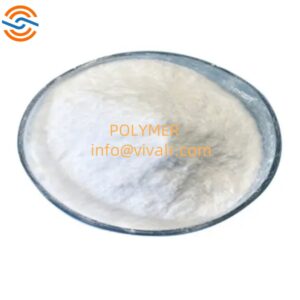
L-mandelic acid, with the CAS number 17199-29-0, is a chiral organic compound. It has the molecular formula C₈H₈O₃ and a molecular weight of approximately 152.15 g/mol. The product appears as a white to off - white crystalline powder. It is soluble in water, ethanol, and ether. The melting point of L-mandelic acid is around 132 - 134 °C. It has a specific rotation of +152° to +156° (c = 2, water), which is an important parameter indicating its chiral purity. Our factory supply ensures high - quality L-mandelic acid with strict quality control measures in place to meet various customer requirements.
Usos del producto
1. **Pharmaceutical Industry**: L-mandelic acid is a key intermediate in the synthesis of many pharmaceutical products. It is used in the production of antibacterial and antifungal drugs. For example, some cephalosporin antibiotics are synthesized using L-mandelic acid as a starting material. Its chiral nature allows for the production of enantiomer - pure drugs, which often have better pharmacological activities and fewer side effects.
2. **Cosmetics Industry**: In the cosmetics field, L-mandelic acid is a popular ingredient in skin - care products. It has exfoliating properties, which can help remove dead skin cells, improve skin texture, and reduce the appearance of fine lines and wrinkles. It also has antibacterial effects, making it suitable for treating acne - prone skin. Additionally, it can enhance skin brightness and even out skin tone.
3. **Chemical Synthesis**: It serves as an important chiral building block in organic synthesis. Chemists use L-mandelic acid to introduce chiral centers into various molecules, enabling the creation of complex chiral compounds with specific biological or physical properties.
Uso del producto
1. **Pharmaceutical Synthesis**: When using L-mandelic acid in pharmaceutical synthesis, strict reaction conditions need to be controlled. It is usually reacted with other reagents in appropriate solvents under specific temperature, pressure, and pH conditions. The amount of L-mandelic acid used depends on the stoichiometry of the reaction. Precautions should be taken during handling, such as wearing appropriate protective equipment to avoid contact with skin and eyes.
2. **Cosmetics Application**: In skin - care products, the concentration of L-mandelic acid typically ranges from 5% - 15%. For beginners, it is recommended to start with a lower concentration to test skin tolerance. The product can be applied topically to the skin after cleansing. It is important to follow up with a moisturizer to prevent excessive dryness. Avoid using L-mandelic acid - containing products on broken or irritated skin.
3. **Chemical Research**: In chemical research laboratories, researchers should first dissolve L-mandelic acid in a suitable solvent according to the experimental requirements. The solution can then be used in various reactions, and the reaction progress needs to be monitored carefully using analytical techniques such as thin - layer chromatography (TLC) or high - performance liquid chromatography (HPLC).
Casos prácticos de uso de productos
1. **Pharmaceutical Case**: A pharmaceutical company was developing a new cephalosporin antibiotic. They used our factory - supplied L-mandelic acid as a key intermediate. By optimizing the reaction conditions, they were able to achieve a high - yield synthesis of the target antibiotic. The use of high - quality L-mandelic acid ensured the purity and chiral integrity of the final product, which passed all the pre - clinical and clinical tests successfully and is now in the market.
2. **Cosmetics Case**: A well - known skin - care brand incorporated L-mandelic acid into their acne - treatment serum. After a clinical trial involving 200 volunteers with acne - prone skin, it was found that 80% of the participants showed a significant reduction in acne after using the product for 4 weeks. The exfoliating and antibacterial properties of L-mandelic acid effectively improved the skin condition of the participants, and the product received positive feedback from consumers.
3. **Chemical Research Case**: A research team in a university was working on the synthesis of a novel chiral compound. They used L-mandelic acid to introduce the chiral center. Through a series of reactions, they successfully synthesized the target compound with the desired chiral configuration. The high purity of our L-mandelic acid contributed to the smooth progress of their research and the reliable results they obtained.






















 Spanish
 English (United States)
 English (Australia)
 Portuguese