The product is 2-(dibutylamino)ethanol with the CAS number 102 - 81 - 8. It is factory - supplied and comes with a competitive price. The chemical formula of 2-(dibutylamino)ethanol is C₁₀H₂₃NO. It has a molecular weight of approximately 173.3 g/mol. Physically, it is a colorless to pale - yellow liquid at room temperature. It has a characteristic odor. The boiling point of this compound is around 247 - 248 °C, and the density is about 0.869 g/cm³ at 20 °C. It is soluble in common organic solvents such as ethanol, ether, and chloroform, and has limited solubility in water.
2-(dibutylamino)ethanol has a wide range of applications. In the field of coatings, it can act as a curing agent and a catalyst. It helps in accelerating the curing process of certain types of coatings, improving their adhesion to the substrate and enhancing their overall durability. In the production of polyurethane foams, it serves as a blowing agent and a cross - linking agent. This can control the density and cell structure of the foam, resulting in foams with different mechanical properties suitable for various applications, such as insulation materials and cushioning products. In the pharmaceutical industry, it can be used as an intermediate in the synthesis of some drugs, participating in important chemical reactions during the drug - making process. Additionally, it is used in the field of surfactants, where it can modify the surface properties of liquids and solids, making it useful in detergents, emulsifiers, and wetting agents.
When using 2-(dibutylamino)ethanol in coatings, first, make sure the product is well - mixed. The recommended dosage is usually 1 - 5% of the total coating formulation, depending on the specific requirements of the coating, such as the desired curing speed and the type of resin used. Add it slowly to the coating mixture under gentle stirring to ensure uniform dispersion. In the production of polyurethane foams, it should be added at the appropriate stage of the foaming process. Calculate the amount based on the desired foam density and cell structure. Usually, it is added along with other raw materials such as polyols and isocyanates. When using it as a pharmaceutical intermediate, strict laboratory procedures and safety protocols should be followed. It should be added in a controlled environment, and the reaction conditions such as temperature, pressure, and reaction time need to be precisely controlled. For surfactant applications, it can be added to the relevant formulations according to the specific needs of the product, and the concentration should be adjusted based on the performance requirements of the final surfactant product.
Case 1: A coating manufacturer was looking to improve the curing speed of their epoxy - based coatings. They added 2-(dibutylamino)ethanol at a dosage of 3% to their coating formulation. After the addition, the curing time was significantly reduced from 24 hours to 12 hours at room temperature. The coatings also showed better adhesion to metal substrates, and the hardness of the cured coatings increased, improving the overall quality and performance of the product.
Case 2: A polyurethane foam producer wanted to develop a high - density foam for insulation purposes. By carefully adjusting the amount of 2-(dibutylamino)ethanol in the formulation, they were able to control the cell structure of the foam. The resulting foam had a uniform cell size and a higher density, which improved its thermal insulation properties. The foam was successfully used in building insulation projects, reducing energy consumption in buildings.
Case 3: In a pharmaceutical research laboratory, 2-(dibutylamino)ethanol was used as an intermediate in the synthesis of a new anti - inflammatory drug. Through a series of precisely controlled chemical reactions, it played a crucial role in forming the key chemical structure of the drug. After purification and testing, the new drug showed promising anti - inflammatory effects in pre - clinical trials.
Si tiene alguna pregunta o necesita más información sobre este producto, no dude en ponerse en contacto con nosotros. Nuestra dirección de correo electrónico es info@vivalr.com, y nuestro número de teléfono es (86) 15866781826.

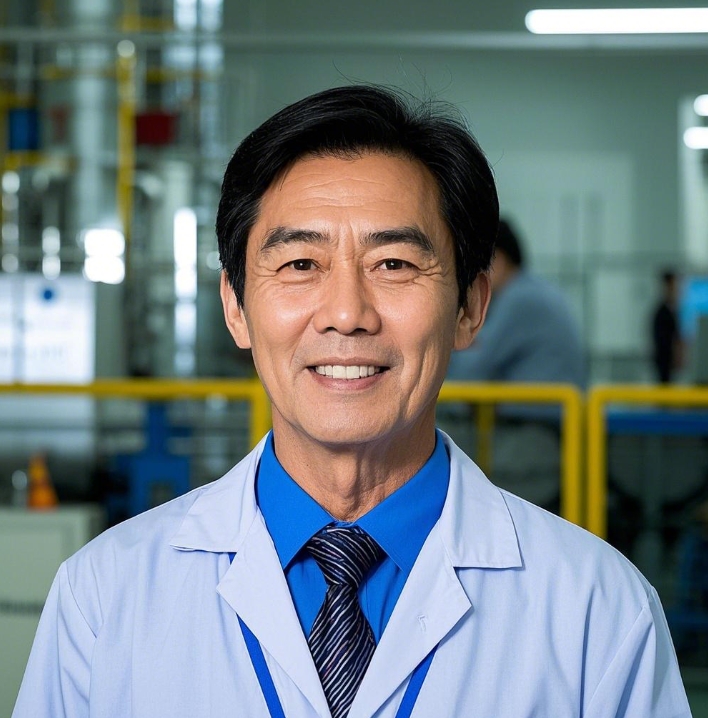
Este es William, CEO de Zhishang Chemical Co., Ltd.
Le invitamos a visitar nuestra fábrica. Como el fabricante de productos químicos superior, nos hemos estado esforzando para la calidad del producto, la innovación, el R&D, y el servicio de atención al cliente por los últimos 7 años. En los próximos 10 años o incluso más, nos comprometemos a convertirnos en el proveedor de productos químicos más fiable del mundo, creando una marca internacional conocida en la que confíen los clientes, con el espíritu de "un metro de ancho, diez mil metros de profundidad", seguimos centrándonos en la investigación y el desarrollo de productos, seguimos centrándonos en el servicio al cliente, seguimos mejorando el sistema de servicio de la cadena de suministro, para crear un equipo profesional de servicio de suministro de productos químicos, para lograr una cooperación a largo plazo en la que todos ganen. No dude en ponerse en contacto con nosotros si tiene alguna pregunta.