User Guide for High Quality Partially Hydrogenated Rosin Cas 65997-06-0 With Low Price
Índice
Información básica y parámetros
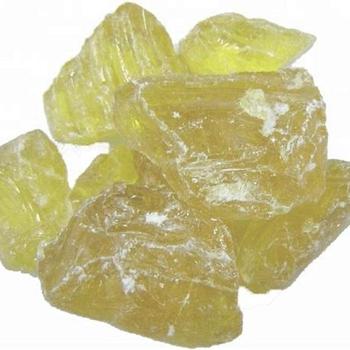
Partially Hydrogenated Rosin with the CAS number 65997 - 06 - 0 is a high - quality product offered at a low price. It is a modified form of rosin, which is a natural resin obtained from pine trees. This partially hydrogenated version has enhanced stability and performance characteristics compared to regular rosin.
Physical properties: It usually appears as a light - colored solid at room temperature. It has a relatively high melting point, typically in the range of 80 - 120°C, which makes it suitable for applications where heat resistance is required. Chemically, it has a complex molecular structure with some of the double bonds in the rosin molecules being hydrogenated, reducing its reactivity and improving its oxidation resistance.
Our product is produced under strict quality control measures to ensure consistent quality and performance, meeting the highest industry standards.
Usos del producto
1. Adhesives: Partially Hydrogenated Rosin is widely used in the adhesive industry. It can be formulated into hot - melt adhesives, pressure - sensitive adhesives, and solvent - based adhesives. In hot - melt adhesives, it provides good tack, adhesion, and heat resistance, making it suitable for bonding various materials such as paper, cardboard, and plastics.
2. Printing Inks: It is an important component in printing inks. It improves the gloss, viscosity, and drying properties of the inks. This helps in achieving high - quality print results with sharp images and good color retention.
3. Rubber Compounding: In the rubber industry, it is used as a tackifier. It enhances the adhesion between rubber compounds and other materials, improving the overall performance of rubber products such as tires, belts, and seals.
Cómo utilizar el producto
1. Adhesive Formulation: When using it in adhesive formulations, first, heat the partially hydrogenated rosin to its melting point (usually around 100 - 120°C) in a suitable container. Then, add other ingredients such as polymers, fillers, and plasticizers according to the specific formulation requirements. Stir the mixture thoroughly to ensure uniform distribution of all components. After the adhesive is prepared, it can be applied to the surfaces to be bonded using appropriate application methods such as spraying, brushing, or extrusion.
2. Printing Inks: In printing ink production, incorporate the partially hydrogenated rosin into the ink formulation during the mixing process. It is usually added in a molten state to ensure good dispersion. Adjust the viscosity of the ink by adding solvents or other additives as needed. The prepared ink can then be used in various printing processes such as offset printing, flexographic printing, and gravure printing.
3. Rubber Compounding: During rubber compounding, add the partially hydrogenated rosin to the rubber compound at the appropriate stage of the mixing process. The rosin should be uniformly dispersed in the rubber matrix. This can be achieved by using a Banbury mixer or other suitable mixing equipment. After compounding, the rubber can be further processed into the desired rubber products through molding, extrusion, or other manufacturing processes.
Casos prácticos
1. Adhesive Manufacturer: A small - scale adhesive manufacturer was facing issues with the tack and heat resistance of their hot - melt adhesives. After switching to our partially hydrogenated rosin, they noticed a significant improvement in the performance of their products. The new adhesives had better tack on various substrates, and the heat resistance was enhanced, allowing them to use the adhesives in more demanding applications. This led to an increase in customer satisfaction and an expansion of their market share.
2. Printing Press: A printing press was struggling with poor print quality and slow drying times of their inks. By incorporating our partially hydrogenated rosin into their ink formulations, they were able to improve the gloss and drying speed of the inks. The prints had sharper images and better color saturation, resulting in higher - quality products and increased customer orders.
3. Rubber Product Manufacturer: A rubber product manufacturer was having problems with the adhesion of their rubber compounds to metal inserts in their products. After adding our partially hydrogenated rosin to the rubber compound, the adhesion was significantly improved. This reduced the number of product failures due to delamination and increased the durability of the rubber products, leading to cost savings and improved brand reputation.
If

















 Spanish
  English (United States)
  English (Australia)
  Portuguese