User Guide for High Quality Zinc borate CAS 1332-07-6 With Best Price
- Información básica y parámetros
- Usos del producto
- Uso del producto
- Casos prácticos
- Información de contacto
Información básica y parámetros
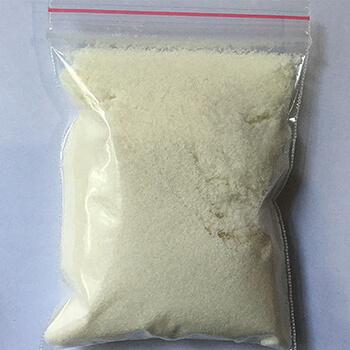
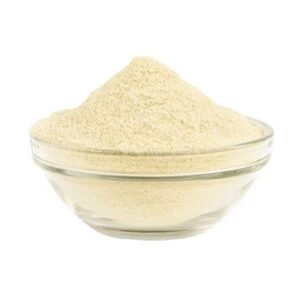
Zinc borate with the CAS number 1332 - 07 - 6 is a high - quality chemical compound. It is typically a white, odorless powder. The chemical formula of common zinc borate can vary, but a well - known form is 2ZnO·3B₂O₃·3.5H₂O.
Zinc borate has good thermal stability. It starts to lose water at around 290°C, which is an important property for many applications. It has a low solubility in water, usually less than 1g/L at 25°C, making it suitable for use in various environments where water resistance is required. The particle size of high - quality zinc borate can be carefully controlled, often with an average particle size in the range of 1 - 10 microns, which affects its dispersibility in different matrices.
Usos del producto
1. Flame Retardant: Zinc borate is widely used as a flame retardant in plastics, rubber, and textiles. It can act in multiple ways to suppress combustion. When heated, it releases water, which cools the burning material and dilutes combustible gases. It also forms a glassy layer on the surface of the material, which acts as a barrier to oxygen and heat transfer.
2. Antifungal Agent: In some applications, such as paints and coatings, zinc borate can be used as an antifungal agent. It can prevent the growth of fungi on the surface of the painted or coated materials, extending their service life and maintaining their appearance.
3. Smoke Suppressant: In addition to its flame - retardant properties, zinc borate can also reduce the amount of smoke generated during combustion. This is crucial in applications where visibility and the reduction of toxic smoke are important, such as in building materials and transportation interiors.
Uso del producto
1. Plastics: When using zinc borate in plastics, it is usually mixed with other additives such as primary flame retardants. The recommended dosage is typically in the range of 3 - 10% by weight, depending on the type of plastic and the required flame - retardant performance. It should be thoroughly dispersed in the plastic matrix during the compounding process, for example, using a twin - screw extruder to ensure uniform distribution.
2. Rubber: In rubber applications, zinc borate can be added during the mixing process on a two - roll mill or an internal mixer. Similar to plastics, the dosage depends on the specific rubber formulation and the desired flame - retardant and other performance characteristics. It is important to ensure that the zinc borate is well - dispersed to achieve the best results.
3. Textiles: For textile treatment, zinc borate can be applied as a finishing agent. It can be dissolved or dispersed in a suitable solvent or water - based solution and then applied to the textile through padding, spraying, or other coating methods. The concentration of the treatment solution and the application process need to be adjusted according to the type of textile and the required performance.
Casos prácticos
1. Plastic Electronics Enclosures: A manufacturer of plastic electronics enclosures was facing strict flame - retardant regulations. They added 5% zinc borate to their polycarbonate - acrylonitrile butadiene styrene (PC - ABS) blend. After testing, the enclosures passed the UL 94 V - 0 flame - retardant standard. The zinc borate not only provided excellent flame - retardant performance but also had no significant negative impact on the mechanical properties of the plastics, such as tensile strength and impact resistance.
2. Rubber Seals for Building Applications: A rubber seal manufacturer wanted to improve the fire safety of their products used in building doors and windows. They incorporated 8% zinc borate into their EPDM rubber formulation. The resulting rubber seals showed a significant reduction in flammability and smoke generation during fire tests. Moreover, the antifungal property of zinc borate helped to prevent mold growth on the seals, especially in humid environments.
3. Textile Curtains: A textile company treated their curtains with a zinc borate - based finishing solution. The treated curtains showed a remarkable improvement in flame resistance. In a small - scale fire test, the untreated curtains burned quickly, while the treated curtains self - extinguished within a few seconds, reducing the risk of fire spreading in a room.
If you have any questions or need more information about our High Quality Zinc borate CAS 1332 - 07 - 6, please feel free to contact us.
Correo electrónico: info@vivalr.com














 Spanish
  English (United States)
  English (Australia)
  Portuguese