User Guide for High Quality Cellulose Triacetate CAS 9012-09-3 With Best Price
- Información básica y parámetros
- Usos del producto
- Cómo utilizar el producto
- Casos de uso detallados
- Información de contacto
Información básica y parámetros
Cellulose Triacetate with CAS number 9012 - 09 - 3 is a high - quality product known for its excellent chemical and physical properties. It is an ester derivative of cellulose, where three hydroxyl groups on the cellulose backbone are acetylated. This chemical modification significantly changes the physical characteristics of cellulose, making it more soluble in certain organic solvents and altering its melting and softening points.
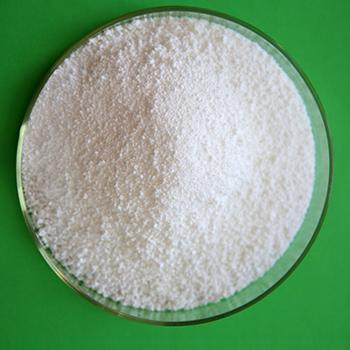
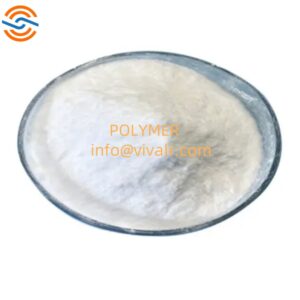
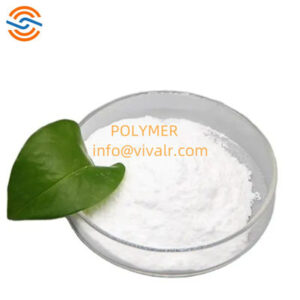
The product usually comes in a white to off - white powder or granular form. It has a high molecular weight, which contributes to its mechanical strength and durability. The degree of acetylation is a crucial parameter, and in high - quality Cellulose Triacetate, it is carefully controlled to ensure consistent performance. The density of this product ranges from about 1.2 to 1.3 g/cm³, and it has a relatively high glass transition temperature, typically around 170 - 190°C.
Usos del producto
Cellulose Triacetate has a wide range of applications across multiple industries. In the optical industry, it is used to manufacture optical films, such as polarizer protective films. These films are essential components in liquid - crystal displays (LCDs) due to their high transparency, low birefringence, and good mechanical properties. The use of Cellulose Triacetate films can significantly improve the image quality of LCDs by reducing light leakage and enhancing contrast.
In the textile industry, it can be used to produce high - quality fibers. Fabrics made from Cellulose Triacetate fibers are known for their excellent drape, luster, and moisture - wicking properties. They are often used in the production of high - end clothing, such as evening gowns and lingerie.
It also finds applications in the packaging industry. Cellulose Triacetate can be formed into films and sheets that are used for food packaging. These packaging materials are biodegradable and have good barrier properties against oxygen and moisture, which helps to extend the shelf life of food products.
Cómo utilizar el producto
When using Cellulose Triacetate in the production of optical films, it is first dissolved in a suitable organic solvent, such as dichloromethane or acetone, to form a homogeneous solution. The concentration of the solution needs to be carefully controlled to ensure the desired film thickness and quality. The solution is then cast onto a smooth substrate, and the solvent is evaporated under controlled conditions to form a uniform film.
In the textile industry, the fibers are usually spun from a solution of Cellulose Triacetate in a spinning solvent. The spinning process involves extruding the solution through spinnerets and then solidifying the fibers by removing the solvent. After spinning, the fibers may undergo further processing, such as drawing and heat - setting, to improve their mechanical properties.
For packaging applications, the Cellulose Triacetate can be extruded or cast into films using extrusion or casting machines. The processing temperature and speed need to be optimized to obtain films with the desired thickness, strength, and barrier properties.
Casos de uso detallados
Case 1: A leading LCD manufacturer used our High Quality Cellulose Triacetate to produce polarizer protective films. By using our product, they were able to achieve a significant improvement in the optical performance of their LCDs. The films had high transparency, low haze, and excellent dimensional stability. This led to a reduction in production defects and an increase in the overall yield of high - quality LCD panels. As a result, their market share in the high - end LCD market increased.
Case 2: A luxury clothing brand incorporated Cellulose Triacetate fibers into their new clothing line. The fabrics made from these fibers had a soft and luxurious feel, as well as good moisture - wicking properties. The clothing line received positive feedback from customers, and sales increased by 30% compared to the previous season.
Case 3: A food packaging company started using Cellulose Triacetate films for their food products. The biodegradable nature of the films was well - received by environmentally - conscious consumers. The films also provided excellent protection against oxygen and moisture, which extended the shelf life of the food products by up to 50%. This led to a reduction in food waste and an increase in customer satisfaction.
If you have any questions or need further information about our High Quality Cellulose Triacetate, please feel free to contact us. Our email is info@vivalr.com, and our phone number is (86) 15866781826.



















 Spanish
  English (United States)
  English (Australia)
  Portuguese