User Guide for High Quality D - Arabinose CAS 10323 - 20 - 3 With Best Price
- Información básica y parámetros
- Usos del producto
- Cómo utilizar el producto
- Casos prácticos detallados
- Información de contacto
Información básica y parámetros
High Quality D - Arabinose CAS 10323 - 20 - 3 is a premium product available at the best price. D - Arabinose is a monosaccharide, specifically an aldopentose. Its Chemical Abstracts Service (CAS) number is 10323 - 20 - 3, which is a unique identifier for this chemical compound.
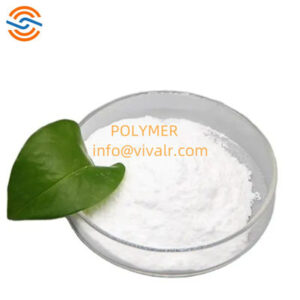
The molecular formula of D - Arabinose is (C_5H_{10}O_5), and its molecular weight is approximately 150.13 g/mol. It usually appears as a white crystalline powder. The product is known for its high purity, which ensures its effectiveness in various applications.
Usos del producto
1. **Food Industry**: D - Arabinose can be used as a sweetener or a flavor enhancer. It has a relatively low calorie content compared to traditional sugars, making it an attractive option for low - calorie food products. It can also be used in the production of functional foods, as it may have certain health - promoting properties. For example, it can act as a prebiotic, promoting the growth of beneficial bacteria in the gut.
2. **Pharmaceutical Industry**: In the pharmaceutical field, D - Arabinose can be used as an intermediate in the synthesis of various drugs. It can participate in chemical reactions to form more complex compounds with therapeutic effects. Some research also suggests that it may have potential applications in the treatment of certain diseases, such as diabetes, due to its ability to regulate blood sugar levels to some extent.
3. **Biochemical Research**: It is a valuable reagent in biochemical laboratories. Scientists use it to study the metabolism of carbohydrates, the structure and function of enzymes related to sugar metabolism, and other biological processes.
Cómo utilizar el producto
1. **In the Food Industry**: When using D - Arabinose as a sweetener, it can be added directly to food products during the manufacturing process. The recommended dosage depends on the type of food and the desired sweetness level. Generally, it can be used in a similar way to other common sweeteners, but it is advisable to conduct small - scale trials first to determine the optimal amount. When used as a prebiotic, it can be incorporated into functional food formulations such as yogurt, probiotic drinks, etc.
2. **In the Pharmaceutical Industry**: For drug synthesis, D - Arabinose should be handled in a well - equipped chemical laboratory following strict safety procedures. Chemists need to accurately measure the amount of D - Arabinose required for the reaction according to the specific synthesis protocol. They should also pay attention to the reaction conditions, such as temperature, pH, and reaction time, to ensure the yield and quality of the final product.
3. **In Biochemical Research**: In laboratory settings, researchers should dissolve D - Arabinose in appropriate solvents according to the experimental requirements. They need to ensure the sterility of the solution when used in cell - based experiments. The concentration of D - Arabinose in the experimental system should be carefully adjusted based on the research purpose.
Casos prácticos detallados
1. **Food Industry Case**: A food company wanted to develop a low - calorie fruit juice. They decided to use D - Arabinose as a partial replacement for sucrose. They conducted sensory evaluations on the juice samples with different ratios of D - Arabinose to sucrose. After several rounds of testing, they found that when 30% of the sucrose was replaced with D - Arabinose, the juice still had a pleasant sweetness and taste, while the calorie content was significantly reduced. This new product was well - received by consumers, especially those who were concerned about their calorie intake.
2. **Pharmaceutical Industry Case**: A pharmaceutical research team was working on the synthesis of a new anti - diabetes drug. They used D - Arabinose as an important intermediate in the multi - step synthesis process. By carefully controlling the reaction conditions and purification steps, they were able to obtain a high - quality final product. In pre - clinical studies, the new drug showed promising results in regulating blood sugar levels in experimental animals, which indicated the potential of D - Arabinose in drug development.
3. **Biochemical Research Case**: A biochemical laboratory was studying the mechanism of a certain sugar - metabolizing enzyme. They used D - Arabinose as a substrate to measure the enzyme's activity. By varying the concentration of D - Arabinose and observing the reaction rate, they were able to determine the kinetic parameters of the enzyme. This information was crucial for understanding the enzyme's function and its role in the overall metabolic pathway.























 Spanish
  English (United States)
  English (Australia)
  Portuguese