



Experiencia en la síntesis de compuestos complejos derivados de la tecnología americana
Centrarse en la síntesis de compuestos difíciles
Certificación ISO 17034 de doble sistema
Empresa nacional de alta tecnología
Centro de I+D de 2000 m2
Más de 20 personas dedicadas a la investigación y el desarrollo,
Se han desarrollado en cooperación 12 equipos de investigación y desarrollo, 10 campanas extractoras y 6 laboratorios universitarios
18 patentes, 140 conjuntos de procesos de síntesis química
User Guide: High Quality Hydrogenated Polyisobutylene CAS 68937 - 10 - 0 With Good Price
Índice
- Información básica y parámetros
- Usos del producto
- Cómo utilizar el producto
- Casos de uso
- Información de contacto
Información básica y parámetros
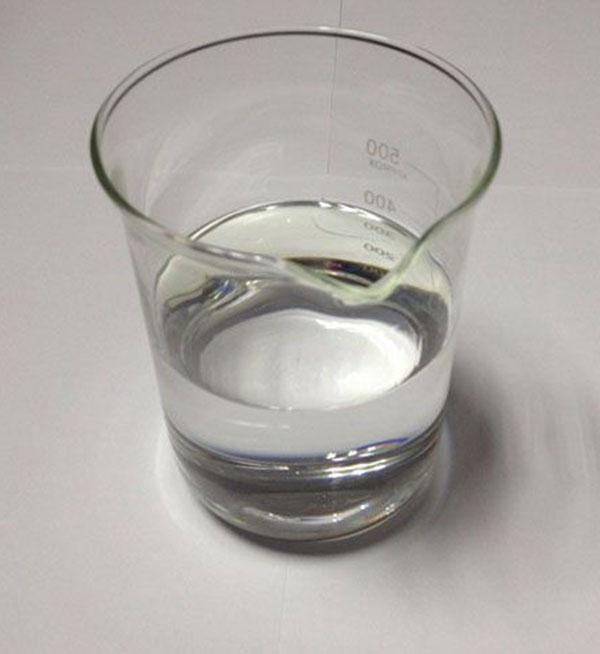
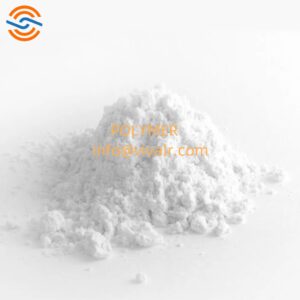
Hydrogenated polyisobutylene with the CAS number 68937 - 10 - 0 is a high - quality product available at a good price. It is a saturated hydrocarbon polymer obtained by hydrogenating polyisobutylene. This product is typically a colorless, odorless, and tasteless viscous liquid or semi - solid.
Its molecular weight can vary depending on the specific production process, generally ranging from several thousand to tens of thousands. It has excellent chemical stability, low volatility, and good resistance to oxidation, heat, and ultraviolet light. The density of hydrogenated polyisobutylene is usually around 0.86 - 0.92 g/cm³ at 25°C. Its viscosity can be adjusted according to different applications, and it has a wide range of kinematic viscosities.
Usos del producto
1. Cosmetics Industry: Hydrogenated polyisobutylene is widely used in cosmetics. It can be used as an emollient, thickener, and binder. In skin care products such as creams and lotions, it forms a protective film on the skin surface, preventing moisture loss and keeping the skin soft and smooth. In lipsticks and lip glosses, it improves the texture and adhesion, making the color more lasting.
2. Lubricants: Due to its excellent lubricity and chemical stability, it can be used as an additive in lubricating oils and greases. It can improve the viscosity - temperature characteristics of lubricants, reduce wear and tear of mechanical parts, and extend the service life of equipment.
3. Adhesives: It can be used as a base material or modifier in adhesives. It enhances the adhesion strength, flexibility, and heat resistance of adhesives, making them suitable for bonding various materials.
Cómo utilizar el producto
When using hydrogenated polyisobutylene, the following points should be noted:
1. In the cosmetics industry: First, it should be heated to an appropriate temperature to reduce its viscosity for better mixing with other raw materials. Generally, it can be heated to 60 - 80°C. Then, it should be slowly added to the main formula under stirring conditions to ensure uniform dispersion. After mixing, the temperature should be gradually lowered to room temperature while continuing to stir gently.
2. In lubricants: It can be directly added to lubricating oils or greases. The addition amount depends on the specific requirements of the lubricant. Usually, it is recommended to conduct small - scale tests first to determine the optimal addition ratio. The mixing process should be carried out under appropriate temperature and stirring conditions to ensure good dispersion.
3. In adhesives: It can be dissolved in appropriate solvents according to the formulation requirements, and then mixed with other adhesive components. The solution preparation process should be carried out in a well - ventilated area, and appropriate protective measures should be taken.
Casos de uso
Case 1: A well - known cosmetics brand used hydrogenated polyisobutylene in its new moisturizing cream. By adding 10% hydrogenated polyisobutylene to the formula, the cream's moisturizing effect was significantly improved. Consumers reported that their skin felt softer and more hydrated after using the cream. The product's sales increased by 20% within three months after its launch, indicating a high acceptance in the market.
Case 2: An industrial lubricant manufacturer added 5% hydrogenated polyisobutylene to its high - performance lubricating oil. After long - term use in a heavy - duty machinery factory, the wear rate of the mechanical parts was reduced by 30%. The maintenance cost of the equipment was also significantly reduced, and the service life of the lubricating oil was extended by about 20%.
Case 3: An adhesive company used hydrogenated polyisobutylene as a modifier in its wood - bonding adhesive. By adding 8% hydrogenated polyisobutylene, the adhesive's shear strength increased by 40%. The bonded wood products had better durability and could withstand greater stress, which was well - received by furniture manufacturers.
Información de contacto
If you have any questions or need more information about our high - quality hydrogenated polyisobutylene, please feel free to contact us:













 Spanish
  English (United States)
  English (Australia)
  Portuguese