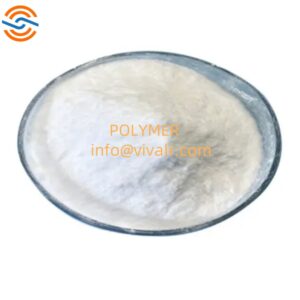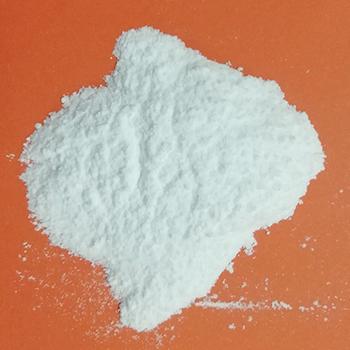

High Quality tetramethylbenzidine with CAS number 54827-17-7 is a chemical compound widely recognized in the scientific and research communities. Its chemical formula is C₁₆H₂₀N₂, and it has a molecular weight of approximately 240.34 g/mol. This product is known for its high purity, which ensures reliable and consistent results in various applications. It is typically presented as a fine powder with a white to off - white color. The product is carefully produced under strict quality control standards to meet the high - end requirements of different industries. The storage conditions for this product are relatively straightforward. It should be stored in a cool, dry place away from direct sunlight and heat sources. It is also advisable to keep it in a well - sealed container to prevent moisture and contamination.
Tetramethylbenzidine is primarily used in the field of biotechnology and diagnostics. It serves as a chromogenic substrate in enzyme - linked immunosorbent assays (ELISAs). In ELISAs, it reacts with the enzyme horseradish peroxidase (HRP) to produce a colored product, which can be measured spectrophotometrically. This property makes it an essential tool for detecting and quantifying specific proteins, antibodies, or antigens in biological samples. Another important application is in immunohistochemistry. It can be used to visualize the location of specific antigens in tissue sections. By using tetramethylbenzidine as a substrate for HRP - conjugated antibodies, researchers can obtain clear and detailed images of the distribution of target molecules within the tissue. Additionally, it has applications in the field of environmental monitoring. It can be used to detect the presence of certain pollutants or contaminants in water or soil samples through specific enzymatic reactions.
When using tetramethylbenzidine in an ELISA, the first step is to prepare the working solution. Usually, it is provided in a concentrated form, and it needs to be diluted according to the specific protocol of the assay. The optimal dilution ratio may vary depending on the sample type, the concentration of the target molecule, and the sensitivity of the detection system. After dilution, the working solution should be added to the wells of the microplate containing the sample and the enzyme - conjugated antibody. Incubation is typically carried out at room temperature or a specific temperature as recommended by the assay protocol for a certain period, usually 15 - 30 minutes. During this time, the enzymatic reaction occurs, and the color develops. The reaction can be stopped by adding a stop solution, which usually contains an acid such as sulfuric acid. After stopping the reaction, the absorbance of the solution in each well is measured at a specific wavelength using a microplate reader. In immunohistochemistry, the procedure is more complex. The tissue sections need to be properly fixed, permeabilized, and blocked before the addition of the HRP - conjugated antibody. After incubating with the antibody, the tetramethylbenzidine working solution is added, and the reaction is allowed to proceed until the desired staining intensity is achieved. The sections are then washed, dehydrated, and mounted for microscopic examination.
Case 1: In a research laboratory studying a new virus, an ELISA was developed to detect the antibodies against the virus in patient serum samples. Tetramethylbenzidine was used as the chromogenic substrate. By optimizing the dilution of the tetramethylbenzidine working solution and the incubation time, the researchers were able to achieve a high - sensitivity and high - specificity assay. They were able to accurately detect the presence of antibodies in a large number of samples, which helped in the early diagnosis of the virus infection and the monitoring of the immune response in patients. Case 2: In a histological study of cancer tissues, immunohistochemistry was performed using tetramethylbenzidine to detect the expression of a specific tumor - associated antigen. By carefully controlling the staining conditions, including the concentration of the HRP - conjugated antibody and the reaction time with tetramethylbenzidine, clear and distinct staining patterns were obtained. This allowed the researchers to analyze the distribution and intensity of the antigen expression in different types of cancer cells, which provided valuable information for understanding the molecular mechanisms of cancer development and for developing targeted therapies.
If you have any questions about this product or need further technical support, please feel free to contact us. Our email address is info@vivalr.com, and our phone number is (86) 15866781826. We are committed to providing you with the best service and ensuring the success

Este es William, CEO de Zhishang Chemical Co., Ltd.
Le invitamos a visitar nuestra fábrica. Como el fabricante de productos químicos superior, nos hemos estado esforzando para la calidad del producto, la innovación, el R&D, y el servicio de atención al cliente por los últimos 7 años. En los próximos 10 años o incluso más, nos comprometemos a convertirnos en el proveedor de productos químicos más fiable del mundo, creando una marca internacional conocida en la que confíen los clientes, con el espíritu de "un metro de ancho, diez mil metros de profundidad", seguimos centrándonos en la investigación y el desarrollo de productos, seguimos centrándonos en el servicio al cliente, seguimos mejorando el sistema de servicio de la cadena de suministro, para crear un equipo profesional de servicio de suministro de productos químicos, para lograr una cooperación a largo plazo en la que todos ganen. No dude en ponerse en contacto con nosotros si tiene alguna pregunta.