- Basic Information and Parameters
- Uses of the Product
- How to Use the Product
- Detailed Use Cases
Basic Information and Parameters
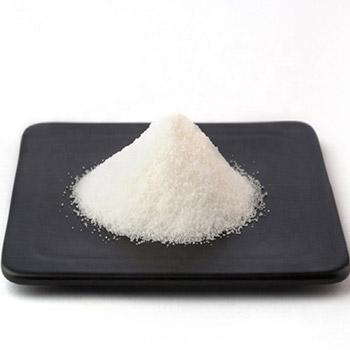
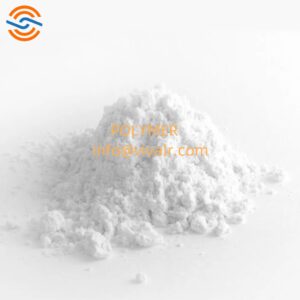
The product, High Quality Zinc di - hydrogen phosphate with CAS number 13598 - 37 - 3 and Low Price, is a significant inorganic compound. Zinc di - hydrogen phosphate has the chemical formula Zn(H₂PO₄)₂. It is typically a white crystalline powder with good solubility in water. The high - quality nature of this product ensures a high degree of purity, which is crucial for its various applications.
In terms of quality control, our product adheres to strict international standards. The purity level of our zinc di - hydrogen phosphate usually exceeds 98%, minimizing the presence of impurities that could affect its performance. It is produced through a well - controlled chemical synthesis process, which guarantees consistent quality and performance across different batches.
Uses of the Product
Zinc di - hydrogen phosphate has a wide range of applications in different industries. One of the primary uses is in the field of metal surface treatment. It is commonly used as a phosphating agent. Phosphating is a process where a metal surface is treated with a phosphate solution to form a protective phosphate coating. This coating can improve the corrosion resistance of metals, especially iron and steel. For example, in the automotive and machinery manufacturing industries, zinc di - hydrogen phosphate is used to treat metal parts before painting or powder coating. The phosphate coating helps the paint or coating to adhere better to the metal surface, enhancing the overall durability and appearance of the product.
Another important application is in the production of cements and ceramics. It can act as a binder in some special cement formulations, improving the strength and setting properties of the cement. In the ceramics industry, it can be used as a fluxing agent, which lowers the melting point of the ceramic materials during firing, facilitating the formation of a dense and uniform ceramic structure.
How to Use the Product
When using zinc di - hydrogen phosphate for metal surface treatment, first, the metal surface should be thoroughly cleaned to remove any dirt, grease, or rust. Then, a phosphating solution is prepared by dissolving the zinc di - hydrogen phosphate in water at an appropriate concentration. The concentration usually ranges from 5% to 15% depending on the specific requirements of the metal surface and the desired thickness of the phosphate coating. The metal parts are then immersed in the phosphating solution for a certain period, typically 10 - 30 minutes. After the phosphating process, the parts should be rinsed with clean water and dried to complete the treatment.
In the case of using it in cement or ceramics production, it should be added to the raw materials in the right proportion during the mixing process. The exact proportion depends on the formulation of the cement or ceramic product and needs to be determined through experimental testing.
Detailed Use Cases
Case 1: Automotive Manufacturing
A major automotive manufacturer was facing problems with the corrosion resistance and paint adhesion of its metal components. They decided to use our high - quality zinc di - hydrogen phosphate for phosphating treatment. After implementing the phosphating process with our product, the corrosion resistance of the metal parts increased significantly. The salt - spray test showed that the parts could withstand more than 500 hours of continuous exposure without significant corrosion. Additionally, the paint adhesion was improved by over 30%, reducing the occurrence of paint peeling and chipping during the vehicle's service life. This led to an increase in customer satisfaction and a reduction in warranty claims related to paint and corrosion issues.
Case 2: Ceramic Tile Production
A ceramic tile factory was struggling to achieve a uniform and dense ceramic structure in its products. By adding our zinc di - hydrogen phosphate as a fluxing agent during the production process, the melting point of the ceramic materials was effectively reduced. This allowed for a more complete melting and fusion of the raw materials during firing. As a result, the ceramic tiles produced had better hardness, gloss, and fewer surface defects. The production yield increased by approximately 15%, and the overall quality of the tiles was significantly improved, leading to higher market competitiveness.
If you have any further questions or need more information, please contact us at info@vivalr.com or call (86) 15866781826.


















 English (United States)
  English (Australia)
  Portuguese
  Spanish