User Guide for Factory Supply Phenyl Dichlorophosphate CAS 770-12-7 With Best Price
Basic Information and Parameters
Factory Supply Phenyl Dichlorophosphate with CAS number 770-12-7 is a high - quality chemical product. The CAS number uniquely identifies this chemical, which is essential for safety data sheet (SDS) compliance, regulatory reporting, and accurate product identification in the chemical industry.
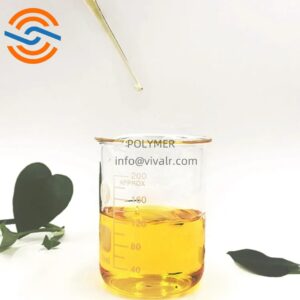
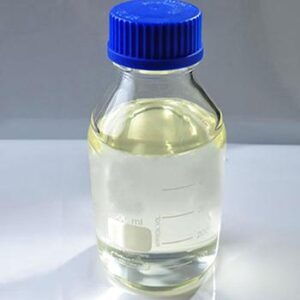
Physically, it has certain specific parameters. Its molecular formula is C₆H₅OPCl₂. Molecular weight is an important parameter for calculating stoichiometry in chemical reactions. For Phenyl Dichlorophosphate, the molecular weight is approximately 210.98 g/mol. It has a characteristic appearance, usually a colorless to pale - yellow liquid. Its boiling point and melting point are key physical properties. The boiling point of this compound is around 244 - 246 °C, and the melting point is about - 16 °C. These values are important for storage, handling, and distillation processes.
In terms of purity, our factory - supplied product ensures a high - level of purity to meet various industrial requirements. The purity can typically reach over 98%, which guarantees its effectiveness and reliability in different applications.
Uses of the Product
Phenyl Dichlorophosphate has a wide range of uses across different industries. In the pharmaceutical industry, it serves as an important intermediate. It can be used in the synthesis of various pharmaceutical compounds, contributing to the production of drugs that treat different diseases. For example, it can participate in the reaction to form phosphate - containing drug molecules, which may have better solubility, bioavailability, or pharmacological activity.
In the field of agrochemicals, it is a crucial raw material. It can be used to synthesize pesticides and herbicides. The unique chemical structure of Phenyl Dichlorophosphate allows it to introduce specific functional groups into the molecular structure of agrochemicals, enhancing their efficacy against pests and weeds.
It also finds applications in the polymer industry. It can be used as a cross - linking agent or a modifier in the synthesis of certain polymers. By incorporating Phenyl Dichlorophosphate into the polymer matrix, the mechanical properties, thermal stability, and chemical resistance of the polymers can be improved.
How to Use the Product
When using Phenyl Dichlorophosphate, strict safety procedures should be followed. First, it should be stored in a cool, dry, and well - ventilated area, away from heat sources, open flames, and incompatible substances. Before use, ensure that all necessary personal protective equipment (PPE) is worn, including safety goggles, chemical - resistant gloves, and a lab coat.
In a laboratory or industrial setting, accurate measurement of the product is crucial. Use calibrated measuring instruments such as pipettes or burettes to measure the required amount. When adding Phenyl Dichlorophosphate to a reaction system, it should be added slowly and carefully under stirring conditions to ensure uniform mixing and avoid violent reactions.
After use, any remaining product should be properly sealed and stored. The reaction vessels and equipment used should be cleaned thoroughly with appropriate solvents to remove any residues of Phenyl Dichlorophosphate.
Usage Case Studies
Case 1: Pharmaceutical Synthesis
A pharmaceutical company was developing a new anti - inflammatory drug. They used Phenyl Dichlorophosphate as an intermediate in the multi - step synthesis process. By carefully controlling the reaction conditions and using Phenyl Dichlorophosphate of high purity, they were able to synthesize the target drug molecule with a high yield of over 80%. The resulting drug showed excellent anti - inflammatory activity in pre - clinical trials, demonstrating the importance of this chemical in pharmaceutical research and development.
Case 2: Agrochemical Production
An agrochemical manufacturer was producing a new type of herbicide. They incorporated Phenyl Dichlorophosphate into the synthesis process to introduce a phosphate group into the herbicide molecule. The new herbicide showed enhanced selectivity against target weeds and had better environmental compatibility compared to the previous formulations. Field trials showed that the weed control efficiency increased by about 30% compared to the traditional products.
Case 3: Polymer Modification
A polymer research group was working on improving the thermal stability of a certain type of epoxy resin. They used Phenyl Dichlorophosphate as a modifier. By reacting Phenyl Dichlorophosphate with the epoxy resin under specific conditions, they were able to introduce phosphate - containing groups into the polymer chain. The modified epoxy resin showed a significant improvement in thermal stability, with the onset of decomposition temperature increasing by about 20 °




















 English (United States)
 English (Australia)
 Portuguese
 Spanish