Factory Supply Fluoranthene CAS 206-44-0 With Best Price User Guide
Table of Contents
1. Basic Information and Parameters
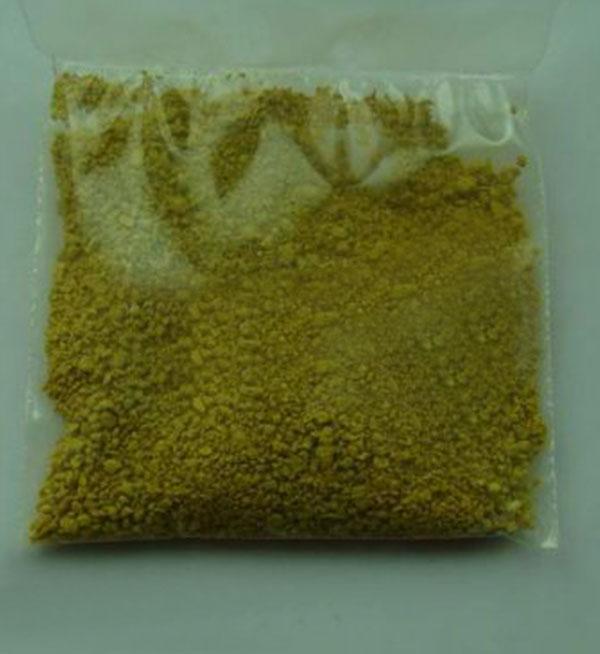
Fluoranthene, with the CAS number 206 - 44 - 0, is a polycyclic aromatic hydrocarbon (PAH). Its chemical formula is C₁₆H₁₀. It has a molecular weight of approximately 202.25 g/mol. Fluoranthene appears as a yellowish - green crystalline solid. It is insoluble in water but soluble in many organic solvents such as benzene, toluene, and chloroform. Its melting point ranges from 109 - 111 °C, and its boiling point is around 384 °C.
Regarding its purity, our factory - supplied fluoranthene can be provided at various purity levels, typically ranging from 95% to 99%. Higher purity products are available upon special request, which are carefully refined through advanced purification processes to ensure consistent quality and performance.
2. Product Uses
Fluoranthene has several important applications in different fields. In the field of materials science, it can be used as a fluorescent probe. Due to its unique fluorescent properties, it can emit strong fluorescence under certain excitation wavelengths. This makes it useful for detecting and analyzing biological molecules, such as proteins and nucleic acids, in biochemical research. Scientists can label target molecules with fluoranthene to track their movement and interaction in living cells.
In the environmental science field, fluoranthene is often used as an indicator of environmental pollution. Since it is a common component of PAHs in the environment, its presence and concentration in soil, water, and air can reflect the degree of pollution in these environments. By monitoring the level of fluoranthene, environmental scientists can assess the quality of the environment and take corresponding measures to control pollution.
In the chemical industry, fluoranthene can serve as a raw material for the synthesis of other organic compounds. It can participate in various chemical reactions, such as substitution reactions and addition reactions, to produce a series of derivatives with different structures and properties. These derivatives have potential applications in the fields of dyes, pharmaceuticals, and plastics.
3. Product Usage
When using fluoranthene, proper safety precautions should be taken. It is recommended to wear appropriate personal protective equipment, such as gloves, goggles, and a lab coat, to prevent direct contact with the skin, eyes, and clothing. Since it is a potentially harmful substance, it should be used in a well - ventilated area to avoid inhalation of dust or vapors.
For laboratory research purposes, when using fluoranthene as a fluorescent probe, it is usually dissolved in an appropriate organic solvent to prepare a stock solution. The concentration of the stock solution should be carefully determined according to the specific experimental requirements. Then, an appropriate amount of the stock solution is added to the sample to be tested. The excitation and emission wavelengths of fluoranthene need to be adjusted according to the experimental equipment and the nature of the sample to obtain the best fluorescence signal.
In industrial production, when using fluoranthene as a raw material for chemical synthesis, the reaction conditions, such as temperature, pressure, and reaction time, need to be strictly controlled according to the reaction mechanism and process requirements. Appropriate catalysts and solvents should be selected to ensure the smooth progress of the reaction and the high yield of the target product.
4. Product Usage Case Studies
Case 1: Biochemical Research
In a recent biochemical research project, a research team used fluoranthene as a fluorescent probe to study the interaction between a certain protein and a small molecule drug. They first prepared a stock solution of fluoranthene in dimethyl sulfoxide (DMSO) at a concentration of 1 mM. Then, they added different concentrations of the small molecule drug to the protein solution, followed by the addition of an appropriate amount of the fluoranthene stock solution. By measuring the change in the fluorescence intensity of fluoranthene, they were able to determine the binding affinity between the protein and the drug. This study provided valuable information for the development of new drugs.
Case 2: Environmental Monitoring
In an environmental monitoring project in a heavily industrialized area, environmental scientists collected soil samples from different locations. They extracted fluoranthene from the soil samples using organic solvents and measured its concentration using high - performance liquid chromatography (HPLC). The results showed that the concentration of fluoranthene in some areas was significantly higher than the standard value, indicating serious environmental pollution in these areas. Based on these results, the local




















 English (United States)
  English (Australia)
  Portuguese
  Spanish