Factory Supply Chromium (III) acetate CAS 1066-30-4 User Guide
Índice
Informações e parâmetros básicos
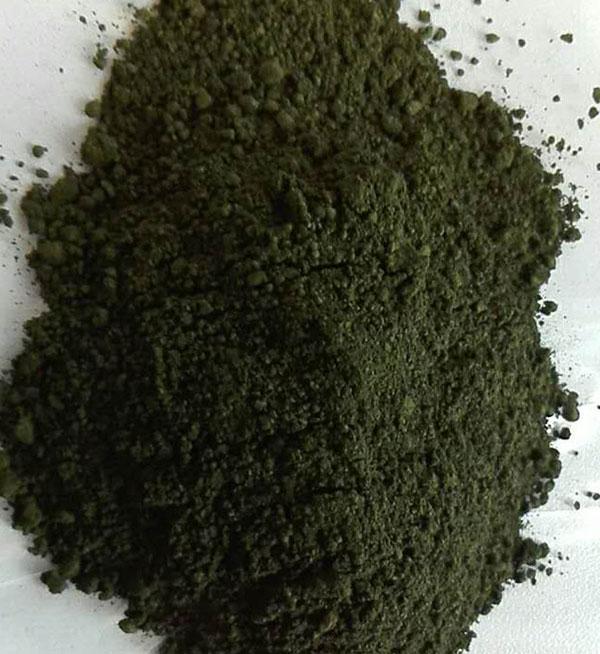
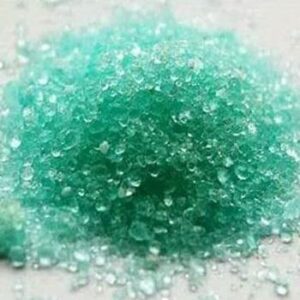
Factory Supply Chromium (III) acetate is a chemical product with the CAS number 1066 - 30 - 4. Chromium (III) acetate is an acetate salt with chromium in its +3 oxidation state. It usually appears as a greenish, water - soluble solid.
Physical and chemical properties: The molar mass of Chromium (III) acetate is approximately 229.13 g/mol. It has a relatively stable structure under normal conditions, but may decompose when exposed to high temperatures or strong oxidants. The density and melting point of this product can vary depending on its purity and crystal form. In general, it is important to store it in a cool, dry place away from incompatible substances.
Utilizações do produto
1. **In the field of industry**: Chromium (III) acetate is widely used as a mordant in the textile industry. It helps dyes to bind more firmly to fabrics, improving the color fastness and durability of dyed textiles. This is crucial for producing high - quality, long - lasting colored fabrics.
2. **In chemical research**: It serves as a catalyst in some organic synthesis reactions. Chromium (III) ions can participate in redox reactions and coordinate with organic molecules, promoting specific chemical conversions. This makes it a valuable tool in the development of new chemical compounds and materials.
3. **In the field of electroplating**: Chromium (III) acetate can be used as a source of chromium ions in electroplating processes. Electroplating with chromium (III) is a more environmentally friendly alternative to traditional hexavalent chromium electroplating, as chromium (III) is less toxic.
Como utilizar o produto
1. **Textile industry**: When using Chromium (III) acetate as a mordant, first dissolve the appropriate amount of the product in water to form a mordant solution. The concentration of the solution should be adjusted according to the type of fabric and dye used. Then, immerse the fabric in the mordant solution for a certain period of time, usually ranging from 30 minutes to several hours. After mordanting, remove the fabric, rinse it, and then proceed with the dyeing process.
2. **Chemical research**: In organic synthesis, add a calculated amount of Chromium (III) acetate to the reaction system. The reaction conditions such as temperature, pressure, and reaction time need to be carefully controlled according to the specific reaction requirements. Usually, the reaction is carried out under an inert gas atmosphere to prevent oxidation of the reactants and the catalyst.
3. **Electroplating**: Prepare an electroplating bath containing Chromium (III) acetate and other necessary additives. Adjust the pH and temperature of the bath. Immerse the workpiece to be plated in the bath and apply an appropriate electrical current. The plating time and current density should be optimized to obtain a uniform and high - quality chromium coating.
Casos de utilização detalhados
1. **Textile dyeing case**: A textile factory was producing a batch of cotton shirts. They used Chromium (III) acetate as a mordant. By preparing a mordant solution with a concentration of 5 g/L and immersing the cotton shirts in it for 1.5 hours at a temperature of 60°C, they found that the color of the dyed shirts was much more vivid and had better color fastness compared to the previous process without using a mordant. After multiple washes, the color of the shirts remained bright, which improved the product quality and customer satisfaction.
2. **Organic synthesis case**: In a chemical research laboratory, researchers were trying to synthesize a new type of organic compound. They used Chromium (III) acetate as a catalyst in a redox reaction. By adding 0.1 mol% of Chromium (III) acetate to the reaction system and carrying out the reaction at 80°C under a nitrogen atmosphere for 8 hours, they successfully obtained the target compound with a yield of 75%. Compared to the reaction without a catalyst, the reaction rate was significantly increased, and the yield was also improved.
3. **Electroplating case**: An automotive parts manufacturer was electroplating chromium on some metal parts. They used an electroplating bath containing Chromium (III) acetate. By optimizing the electroplating parameters, such as a current density of 2 A/dm² and a plating time of 30 minutes, they obtained a smooth


















 Portuguese
  English (United States)
  English (Australia)
  Spanish