Table of Contents
- Basic Information and Parameters
- Uses of the Product
- How to Use the Product
- Usage Case Studies
- Contact Information
Basic Information and Parameters
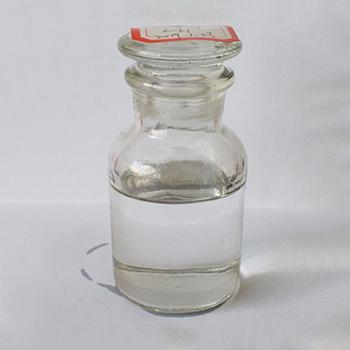
The product is Factory Supply Isobutyryl chloride with CAS No. 79 - 30 - 1. Isobutyryl chloride is a colorless to pale yellow liquid with a pungent odor. It has a molecular formula of C4H7ClO and a molecular weight of approximately 106.55 g/mol. The density of isobutyryl chloride is around 1.017 g/mL at 25 °C. Its boiling point is about 92 - 93 °C, and it has a flash point of 7 °C. It is soluble in common organic solvents like ether, benzene, and chloroform, but reacts vigorously with water, alcohol, and amines.
Uses of the Product
Isobutyryl chloride is widely used in various industries. In the pharmaceutical industry, it is an important intermediate for the synthesis of many drugs. It can be used to introduce the isobutyryl group into the drug molecule structure, which may improve the drug's solubility, stability, and biological activity. For example, it is used in the synthesis of some anti - inflammatory and analgesic drugs.
In the field of organic synthesis, it serves as an acylating agent. It can react with alcohols to form esters, with amines to form amides. These reactions are fundamental in the synthesis of a wide range of organic compounds, such as flavor and fragrance compounds. It is used to create unique scents in the perfume industry by acylating appropriate alcohols or amines to form esters or amides with specific odors.
It is also used in the production of pesticides. By introducing the isobutyryl group into the pesticide molecule, it can enhance the pesticide's efficacy and selectivity, helping to control pests more effectively while reducing the impact on the environment.
How to Use the Product
When using isobutyryl chloride, strict safety precautions should be taken. It should be used in a well - ventilated area, preferably under a fume hood, as it can release toxic and irritating vapors. Wear appropriate personal protective equipment, including safety goggles, gloves, and a lab coat.
For the reaction with alcohols to form esters, first, add the appropriate amount of alcohol to a reaction flask equipped with a stirrer and a condenser. Slowly add isobutyryl chloride drop - by - drop while keeping the reaction mixture at a low temperature (usually around 0 - 5 °C) to control the reaction rate. After the addition is complete, gradually increase the temperature to reflux for a certain period of time to ensure the reaction is complete. Then, the reaction mixture is cooled, and the product is isolated and purified by appropriate methods such as extraction, distillation, or recrystallization.
When reacting with amines to form amides, a similar procedure is followed. However, the reaction conditions may need to be adjusted according to the nature of the amine. For some sensitive amines, a milder reaction temperature and a suitable base may be required to facilitate the reaction.
Usage Case Studies
Case 1: Pharmaceutical Synthesis
A pharmaceutical company was synthesizing a new anti - inflammatory drug. They used isobutyryl chloride as an intermediate. By reacting isobutyryl chloride with a specific amino - containing compound under controlled conditions, they successfully introduced the isobutyryl group into the molecule. After a series of purification steps, the final drug product showed improved solubility in the target biological media. In pre - clinical trials, it demonstrated better anti - inflammatory activity compared to the previous version of the drug without the isobutyryl group.
Case 2: Flavor and Fragrance Industry
A flavor and fragrance manufacturer wanted to create a new citrus - like fragrance. They used isobutyryl chloride to acylate a specific alcohol. The reaction was carried out in an organic solvent under mild conditions. After purification, the resulting ester had a strong and pleasant citrus - like odor. The new fragrance was well - received in the market and was used in various perfume and cosmetic products.
Case 3: Pesticide Production
A pesticide company was developing a new pesticide for controlling aphids. They incorporated isobutyryl chloride into the synthesis process. By introducing the isobutyryl group into the pesticide molecule, the new pesticide showed higher selectivity towards aphids while being less toxic to beneficial insects. In field trials, it effectively reduced the aphid population on crops, improving the overall crop yield.
If you have any questions or need more information about Factory Supply Isobutyryl chloride CAS 79 - 30 - 1, please feel free to contact us. Our email is info@vivalr.com, and our phone number is (86) 1586




















 English (United States)
  English (Australia)
  Portuguese
  Spanish