- Basic Information and Parameters
- Uses of Trisodium Phosphate
- How to Use Trisodium Phosphate
- Case Studies
- Contact Information
Basic Information and Parameters
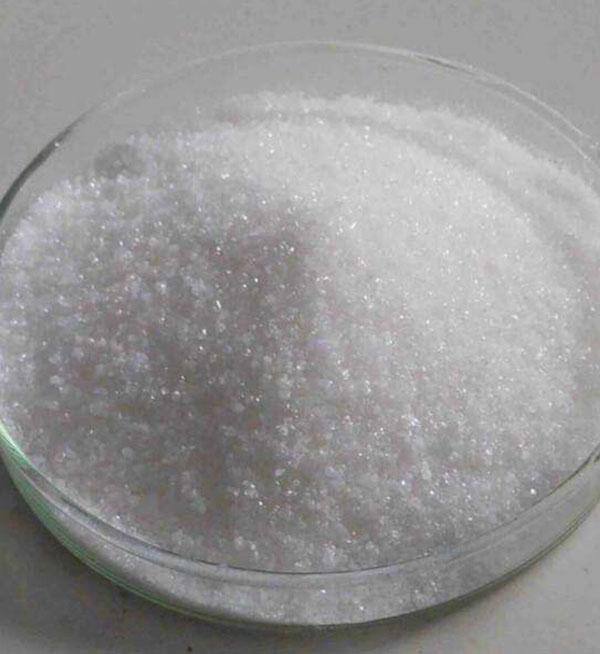
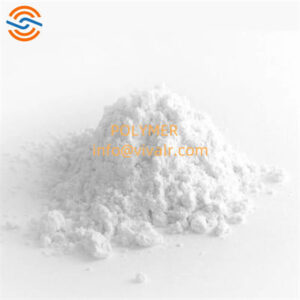
Trisodium phosphate, with the CAS number 7601 - 54 - 9, is a white, crystalline powder or granular solid. It has a chemical formula of Na₃PO₄. This product is often supplied by factories at the best price. It is highly soluble in water, and its aqueous solution is strongly alkaline. Trisodium phosphate is available in different grades, including technical grade and food grade. Technical grade trisodium phosphate is mainly used in industrial applications, while food - grade trisodium phosphate can be used in food processing.
It has a molar mass of approximately 163.94 g/mol. In normal conditions, it is stable but should be stored in a dry and well - ventilated place, away from incompatible materials such as acids. The density of trisodium phosphate is about 2.536 g/cm³.
Uses of Trisodium Phosphate
Trisodium phosphate has a wide range of uses in various industries. In the cleaning industry, it is a powerful degreaser and stain remover. It can effectively remove grease, oil, and stubborn stains from surfaces such as floors, walls, and machinery parts. In household cleaning, it can be used to clean kitchen appliances, bathrooms, and laundry. It can enhance the cleaning power of detergents and make the cleaning process more efficient.
In the food industry, food - grade trisodium phosphate is used as an emulsifier, thickener, and pH regulator. It can improve the texture and stability of food products, such as processed cheeses, meats, and beverages. It can also be used to prevent the growth of bacteria and fungi in food, extending the shelf - life of food products.
In the water treatment industry, trisodium phosphate is used to soften water and prevent the formation of scale in pipes and boilers. It can react with calcium and magnesium ions in water to form insoluble precipitates, reducing the hardness of water and protecting the equipment from damage.
How to Use Trisodium Phosphate
When using trisodium phosphate for cleaning purposes, first, wear appropriate protective equipment, such as gloves and goggles, because the solution is alkaline and may cause irritation to the skin and eyes. Prepare a solution by dissolving the appropriate amount of trisodium phosphate in water according to the degree of soiling. For light soiling, a 1 - 2% solution may be sufficient, while for heavy soiling, a 5 - 10% solution can be used. Use a sponge, brush, or sprayer to apply the solution to the surface to be cleaned. Let it sit for a few minutes, then scrub the surface and rinse thoroughly with water.
In food processing, follow the food safety regulations and the recommended dosage. The dosage depends on the type of food product and its specific requirements. Usually, it is added during the mixing or cooking process.
In water treatment, determine the appropriate dosage based on the hardness of the water. Dissolve the trisodium phosphate in water and add it to the water treatment system. Continuously monitor the water quality to ensure the effectiveness of the treatment.
Case Studies
Case 1: A large - scale manufacturing factory had problems with grease and oil stains on the factory floor. The traditional cleaning agents were not effective in removing these stubborn stains. After using a 10% trisodium phosphate solution, the floor was thoroughly cleaned. The workers sprayed the solution on the floor, let it soak for 15 minutes, and then scrubbed it with a floor scrubber. The grease and oil stains were completely removed, and the floor became clean and safe for workers to walk on.
Case 2: A food processing company was producing processed cheese. They used food - grade trisodium phosphate as an emulsifier. By adding the appropriate amount of trisodium phosphate during the cheese - making process, the cheese had a smoother texture, better melting properties, and a longer shelf - life. The product quality was significantly improved, and the company received positive feedback from customers.
Case 3: A water treatment plant was dealing with hard water that was causing scale formation in the pipes and boilers. After adding trisodium phosphate to the water treatment system at a dosage of 20 mg/L, the hardness of the water was effectively reduced. The scale formation in the pipes and boilers was significantly reduced, saving the plant a lot of maintenance costs and improving the efficiency of the equipment.
If you have any questions or need more information about Trisodium Phosphate, please feel free to contact us:
Email: info@vivalr.com
Phone:


















 English (United States)
 English (Australia)
 Portuguese
 Spanish